
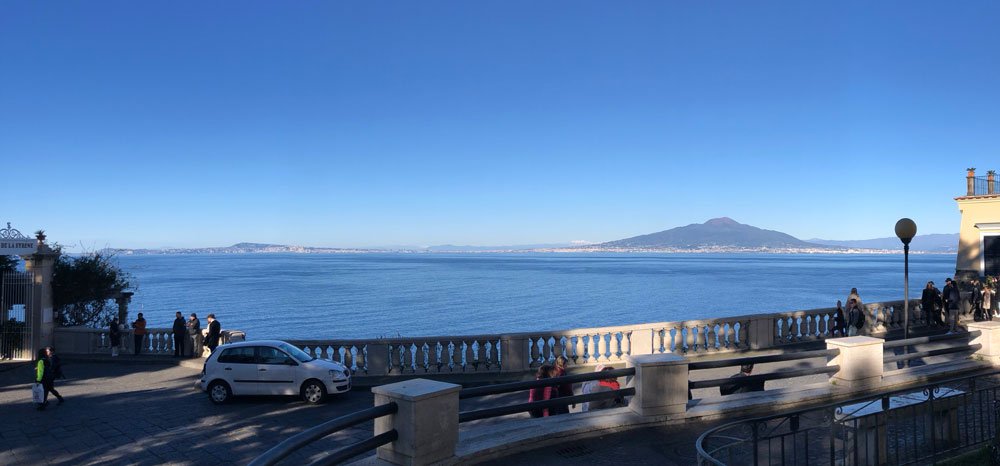
- Last Eruption: The most recent eruption occurred on March 17, 1944, during World War II.
- Current State: The volcano is currently in a quiescent (dormant) state.
- Monitoring: The Vesuvius Observatory (part of the National Institute of Geophysics and Volcanology – INGV) monitors the volcano 24/7 for seismic activity and gas emissions.
- Alert Level: The current alert level is Green (no anomalous phenomena).
- Tourism: Vesuvius National Park is open to visitors, who can hike to the summit (1,281 meters) to view the crater and the Bay of Naples. Visiting Pompeii and Mount Vesuvius +3
Historical Context
- AD 79 Eruption: This eruption, described by Pliny the Younger, destroyed Pompeii and Herculaneum with pyroclastic flows (hot gas and rock) and ash.
- 1631 Eruption: A major eruption that killed approximately 3,000–3,500 people.
- Structure: The mountain consists of a younger cone (Vesuvius) inside the caldera of an older, collapsed volcano (Mount Somma). Volcano World +3
Future Risk
While there are no current signs of an imminent eruption, scientists believe a future eruption is inevitable. The Civil Protection Department has a national emergency plan, which relies on early warning systems and, if necessary, the evacuation of the “red zone”.